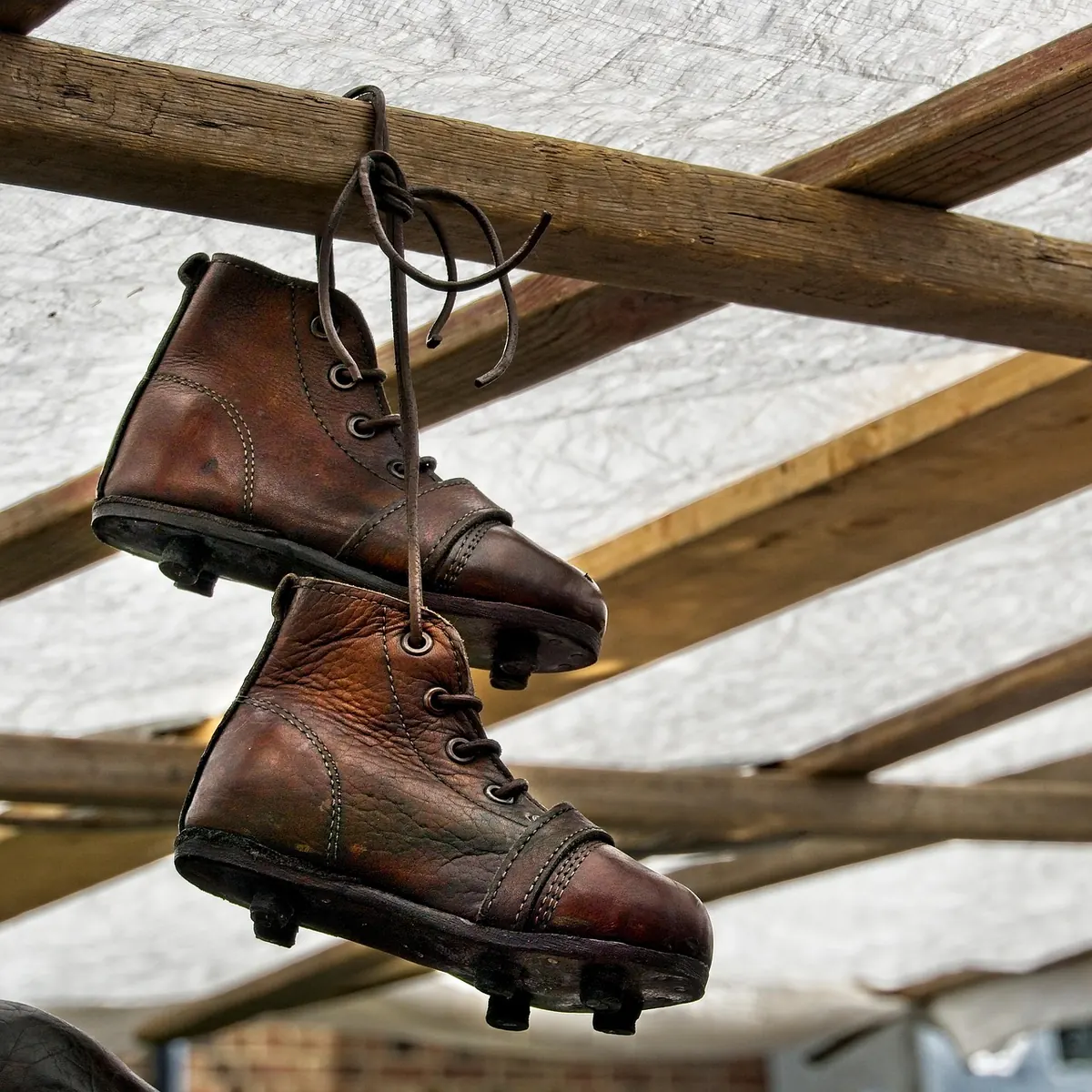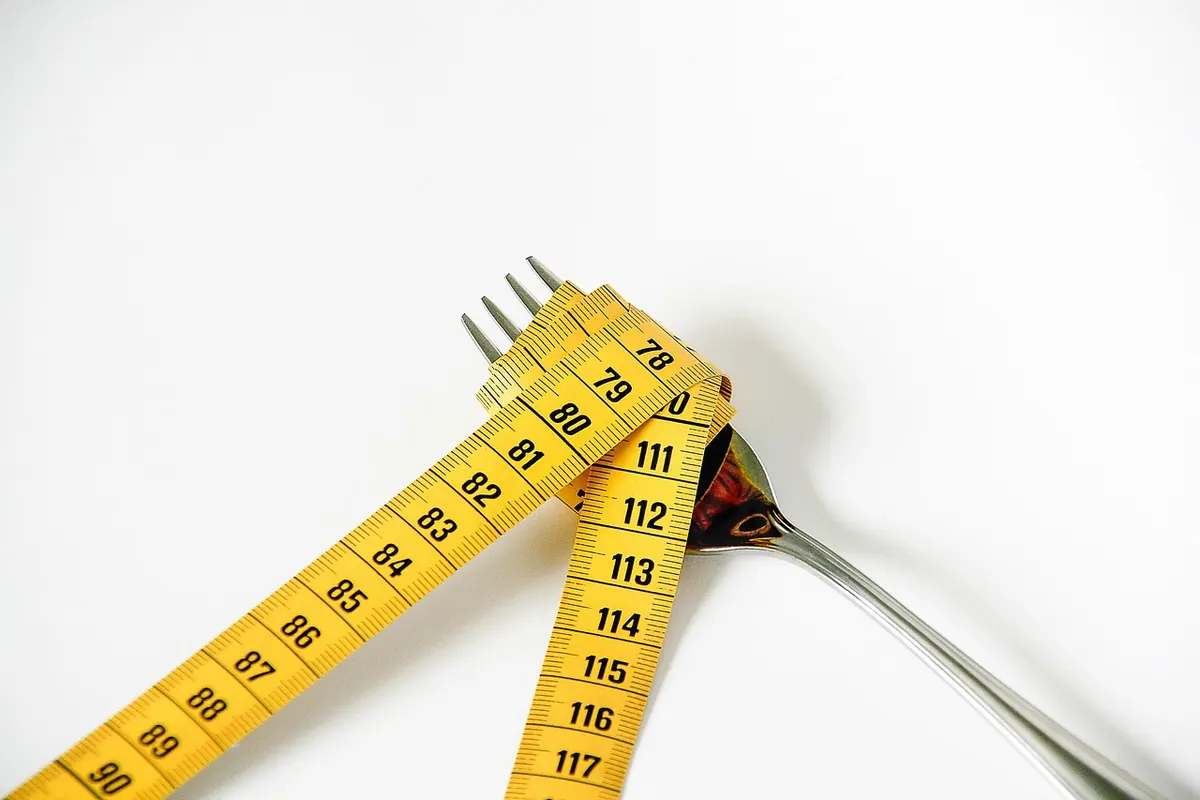
Boots are heavy, awkward and almost always shipped in a box designed for a shop shelf rather than a courier's van. That mismatch is where surprise fees come from. A pair of leather boots might weigh 1.6 kg in your hands, but add the retail box, tissue paper, dust bags and an outer carton and the parcel can pass 2 kg. Pack them loosely in a roomy box and the courier may charge for space rather than weight. Five minutes with a tape measure and a scale before you book is the difference between a quote that holds and an invoice that doesn't.
Measure the Box the Boots Will Actually Travel In
Start with a decision: are the boots going in their original box, or is that box being placed inside a plain outer carton? Most experienced senders do the second, because retail packaging gets crushed in transit and a damaged boot box is a disappointed customer or a rejected return.
Whatever the outermost layer is, that is what you measure. Not the boot box, not the manufacturer's stated dimensions, not the size of the boots laid flat. If you slide a boot box inside a shipping carton, the carton's centimetres are the ones that count, plus tape, labels, an address pouch and the slight bulge where a heel presses against the cardboard.
Boxed, bagged or bundled?
A rigid box gives you the most predictable numbers. Soft packaging is trickier: a poly bag or padded envelope swells around the contents, and some carriers measure soft parcels as though they were boxes, using the widest point rather than the flat footprint. For tall wellingtons especially, a box keeps the measurement stable and protects the shaft from creasing. If you must ship bagged, overestimate rather than hope.
How to Measure a Boot Box
- Pack first, measure second. Nothing is final until the tape is on and the label is attached.
- Set the box on a flat surface and square up the seams so the corners sit evenly.
- Length: the longest side, tape measure running edge to edge. Don't measure across the middle of a panel; corners are where boxes actually end.
- Width: the second-longest side, taken at the widest point. A lid that overlaps its base adds a few millimetres.
- Height: from the table to the highest point of the closed box, label pouch included.
- Round each figure up to the next whole centimetre (or inch, if you're booking in imperial). 38.4 cm becomes 39 cm. Couriers round up, so you should too.
- Write the three numbers down and note them next to your booking reference.
If the carrier's re-measurement later disagrees with yours, those notes are what you use to query it. A photo of the packed box beside a tape measure takes ten seconds and settles most arguments.
Weighing the Parcel, Not the Pair
Use a digital scale. A bathroom scale is not reliable at parcel weights, and guessing from a spec sheet fails constantly, because the same boot in a size 42 with a chunky sole weighs noticeably more than a size 37 in a thin one.
Weigh the finished parcel, meaning everything that travels: boots, shoe trees, stuffing, dust bags, the outer box, tape, label and any paperwork pouch. If you're sending three pairs, weigh the whole thing rather than multiplying one pair by three, because packaging and filler add up faster than you expect.
Kitchen scales usually top out around 5 kg. For heavier shipments, hang the box from a luggage scale by a loop of tape and let it settle before reading. Then round up to the increment your carrier bills in, which is often 0.5 kg. If your scale reads 2.4 kg and the service bills in half-kilos, quote 2.5 kg.
Volumetric Weight Without the Jargon
A courier van fills up with space as much as with weight. A big, light parcel costs the network more than a small, heavy one, so carriers compare two figures: the actual weight on the scale, and a "volumetric" weight worked out from the box's size.
The calculation is simple. Multiply length by width by height, then divide by the carrier's published divisor. In centimetres and kilograms, many services use 5,000 as the divisor, though 6,000 and 4,000 are also in common use. In inches and pounds, the divisor is usually 139. Check the specific figure on your carrier's own page rather than assuming, because the same box can produce two very different quotes.
Example: a box measuring 35 cm × 25 cm × 15 cm gives 13,125 cubic centimetres. Divided by 5,000, that is 2.63 kg of volumetric weight.
If that parcel actually weighs 3.4 kg, the real weight wins and you're billed on 3.4 kg. If it weighs 1.8 kg, the volumetric figure wins and you're billed for roughly 2.63 kg. Boots are dense, so actual weight usually takes the lead. The risk appears when a sender reaches for an oversized carton and fills the empty space with air pillows.
Chargeable Weight and the Mistakes That Inflate It
The higher of the two numbers is the chargeable weight, and that is what your quote should be built on. Most billing surprises trace back to a handful of habits:
- Measuring the retail boot box, then shipping it inside a larger outer carton without re-measuring.
- Rounding dimensions down instead of up.
- Using a box with a dented, bowed or bulging side, which measures longer than its flat panel suggests.
- Estimating weight from the product listing rather than the packed parcel.
- Assuming your usual divisor applies to a different service or country.
- Combining several pairs into one roomy box, pushing the parcel into volumetric billing.
- Mixing centimetres and inches on the same booking form.
- Forgetting that a stubborn label pouch or a protruding strap can change the longest side.
None of these are dishonest. They are just the small gaps between what you measure on the kitchen table and what a depot scanner measures at 2 a.m.
A Five-Minute Routine Before You Book
Pack the boots. Measure the outer box at its widest points and round everything up. Weigh the finished parcel on a digital scale and round up to the carrier's billing increment. Run the volumetric calculation with your carrier's own divisor, not a remembered one, and compare it with the scale reading. The larger number is your chargeable weight, so quote it and keep it.
Then check the quote against those figures. A price that looks unusually cheap for a two-pair parcel is usually a sign that something wasn't captured, and the correction tends to arrive as an adjustment invoice rather than a phone call. Ten minutes of measuring is cheaper than a re-billed shipment, and it makes your quotes consistent enough that customers stop asking why the price changed.
Photo: minka2507 / Pixabay